


Clear Signs That You Have A Rat Problem

It almost doesn’t matter where you live or work—city, suburbs, or rural country—you may find yourself dealing with rodent problems from time to time.
There are specific reasons for this, some of which you can address to avoid an infestation in the first place.
However, if you detect signs of rats, don’t beat yourself up. Act early at the first signs to reduce the likelihood they’ll propagate, create health hazards, and make the problem harder to tackle. Below are the signs to look for and how to eradicate rats safely.
Prevention and What to Look For
Rats are intelligent and motivated by food and shelter. They also seek warmth, so be extra vigilant as weather turns colder. Even without obvious attractants like animal feed or pet food, fall and winter are common times to discover activity. Farm and stable owners should keep all feed covered and protected from raids.
Inspect from ground to roof. Pay close attention to penetrations where exterior elements enter the building envelope—cable lines, vents, flashing, ductwork. Seal any voids ≥ 1/4 inch. Keep trash cans sealed indoors and out. Store firewood and debris piles away from buildings to eliminate potential nests.
Rats are excellent climbers and will use tree limbs or trellises to reach unsealed gaps. Their teeth grow continuously, so they gnaw to keep them filed.
Rats can chew through metal, plastic, wood, wallboard, and cardboard. Left unchecked, they can cause significant damage—especially when chewing wiring, which increases fire risk.
THE TELLTALE SIGNS YOU HAVE RATS
You may never see a rat before they’ve settled in. They’re mostly nocturnal, but you can detect their presence by:
- Scurrying or squeaking in walls, cabinets, or drawers
- Soft footfalls after lights out
- Nests made with shredded paper, insulation, or cushion stuffing
- Disturbed insulation or wallboard
- Greasy rub marks along walls or baseboards
- Piles of droppings (attic, basement, under appliances, along walls)
- Chewed food packages and gnawed utensils/containers
- Chewed or damaged ductwork
Look for footprints and tail marks in dusty, low-traffic areas. You can dust a light layer of flour or talc to spot fresh tracks. Also check crawlspaces, cavity walls, suspended ceilings, lofts/attics, decks, sheds, garages, drains, and compost bins.
The Need for Safe Rodent Control
Common poisons (especially anticoagulants) can create serious collateral damage. They often harm non-target wildlife and are unsafe around children and pets. Even where certain products are banned, some professionals still use them. Poisoned rodents are easy prey; secondary poisoning then cascades through the food web and can contaminate water sources.
Scientific studies have linked rodenticide exposure to mortality in numerous species (e.g., owls, hawks, foxes, bobcats). By killing predators, we undermine nature’s rodent control system. Anticoagulants are among the most damaging to wildlife.
Alternative Methods That Don’t Harm the Ecosystem
Snap and glue traps require species-appropriate bait, constant monitoring, and frequent resetting. Even then, rats can outsmart them, and prolonged suffering is common. Many people find infestations return despite the effort.
The Ultimate Humane Method for Your Property
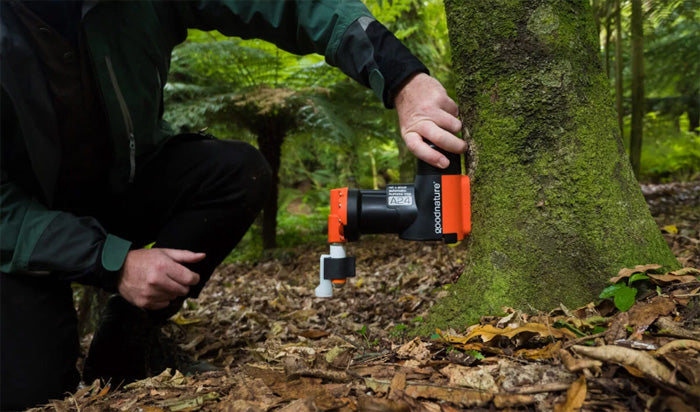
Humane traps have grown in popularity as a reliable, quick, and low-maintenance solution. The Goodnature™ A24 Rat & Mouse Trap is a hands-off device that automatically resets after delivering an instantaneous, humane strike using a CO₂-powered shot—no poisons. If scavengers remove carcasses outdoors, there’s no risk of secondary poisoning.
Considering the risks of toxic poisons, the tedium and cruelty of traditional traps, and often minimal results, an automatic, humane system solves both problems. It’s an effective way to eliminate rodent issues with a clear conscience—year in, year out. To learn more about the Goodnature™ A24 Rat & Mouse Trap, check us out or contact us for details.